

Is your office space holding you back? A cluttered desk, misplaced documents, and an unorganized layout can make even the simplest tasks feel overwhelming. An unorganized office can eat away at productivity, create frustration, and leave a poor impression on clients.
Imagine walking into a workspace where everything is in its place, your to-do list is clearly visible, and important documents are always easy to find. With the right strategies, this can be your reality. Organizing your office is about excellent aesthetics while improving efficiency and creating a functional, relaxing workplace.
This guide will walk you through actionable tips for eliminating clutter, optimizing your workspace, and maintaining a clean, productive environment. Whether you need help organizing small office supplies, choosing the right filing cabinet, or creating a better layout, these tips will make a real difference.
Once you’ve assessed your space and identified your needs, you can move forward with actionable strategies to bring your vision to life. With a clear plan, the next step is to tackle the details and create an office setup that truly works for you.
Assess and Plan Your Office Space
Before you dive into organizing, take a step back and evaluate your office. A little planning can save you hours of frustration later.
Start by evaluating the area you have to work with. Think about cubicles vs. open office layouts. Does your team need privacy to focus, or do they thrive in collaborative spaces? Each type of layout serves a different purpose — open office setups work well for teams that frequently collaborate, while office workstations cubicles help employees focus by reducing distractions.
If you’re in a smaller space, maximizing vertical space is essential. Consider how much room you need for office desks, storage containers, and collaborative areas in larger offices. Rearranging furniture to improve traffic flow can create a more efficient layout.
What impression does your reception area create? Clients form opinions quickly. A well-organized reception desk shows professionalism and attention to detail. Keep essential items accessible while hiding the clutter that doesn’t belong.
10 Tips On How To Organize Your Office

An organized office doesn’t happen by accident — it’s a combination of smart planning, consistent habits, and the right tools. You can transform even the most cluttered workspace into a clean and efficient environment by breaking the process into manageable steps. These tips will help you tackle the chaos and create a system that works for you.
1. Declutter and Minimize Office Supplies
Clutter has a way of sneaking into even the best-planned offices. It builds up slowly — old documents, excess pens, sticky notes everywhere — and before you know it, your desk feels more like a junk drawer than a workspace. The key to creating an organized, functional office starts with eliminating what you don’t need and finding a home for the things you do.
- Sort papers and supplies: Create piles for keeping, tossing, and donating. Shred old legal documents and toss dried-up pens.
- Use storage containers: Group small items like sticky notes, paper clips, and folders into clearly labeled bins.
- Keep essentials only: Limit small office supplies to what you use daily, and store the rest out of sight. The less clutter on your desk, the easier it is to focus.
- Purge regularly: Schedule a day each month to sort through your desk drawer, file folders, and boxes of supplies. Use this time to reassess what’s truly needed.
Decluttering is an ongoing process, but the payoff is a more streamlined and functional space. By taking control of the clutter, you’ll create a cleaner, calmer environment that allows you to focus on what matters most. An organized office reflects how you approach your work.
2. Consider Workspace Needs
A well-organized office begins with understanding how you and your team work. The layout and choice of furniture can either enhance productivity or create unnecessary challenges. Your office should provide both comfort and functionality. The key is to match your workspace setup to the tasks at hand so everyone can perform at their best.
- Office workstation cubicles: Great for teams that need privacy but still want a collaborative feel.
- Executive office desks: Ideal for managers who need space to multitask and store essential documents.
- Individual vs. shared desks: Small teams may prefer shared desks to foster collaboration, while solo desks suit independent workers.
You create a supportive and efficient environment by tailoring your office furniture and layout to your team’s unique needs. The proper setup empowers employees to stay organized and focused. A workspace designed with purpose will always lead to greater productivity and satisfaction.
3. Clean and Optimize Your Desk Space
Your desk is the center of your work area. A cluttered or poorly organized desk can make even simple tasks overwhelming, while a clean and efficient workspace keeps you focused and productive. The secret lies in maintaining a system that minimizes distractions and keeps essentials within easy reach.
Clear paper clutter, wipe surfaces, and empty the trash can at the end of each day. Keep pens, sticky notes, and other small items in compartments to prevent chaos. Your laptop, calendar, and most-used supplies should stay within arm’s reach.
When your desk is clean and organized, you can approach your day with clarity and confidence. A well-maintained workspace sets the tone for your productivity, making it easier to focus on your most important tasks.
4. Put Everything in Its Place
A clutter-free office depends on one simple rule: everything should have a home. Without a system for where items belong, it’s easy for chaos to take over. You eliminate the guesswork and save time by assigning specific spots for supplies, files, and personal items.
- Labels: From file folders to storage containers, clear labeling saves time.
- Catch-all bins: Use a bin to store items that don’t have an obvious home temporarily. Review it weekly to keep your system running smoothly.
- Storage space for personal items: Create a dedicated area for personal decor and belongings to avoid cluttered desks.
Making a habit of putting items back in their designated places prevents messes from building up over time. With everything stored, your office becomes a space to work without distractions. Organization is not a one-time project — it’s a daily commitment that keeps your office running smoothly.
5. Invest in Storage Solutions
Proper storage is the backbone of any organized office. Without it, even the most well-intentioned efforts to stay tidy can quickly unravel. The correct storage solutions don’t just reduce clutter — they also make your workspace more efficient and accessible. From filing cabinets for vital paperwork to versatile shelving units, choosing the right options ensures everything has a place, helping you stay productive.
Filing Cabinet Options
Filing cabinets remain a must-have for managing important documents and keeping your office paperwork in order. Choosing the right type depends on your space and volume of files.
- Vertical filing cabinets: Ideal for tight spaces with limited room. These cabinets are compact and designed to store a significant number of files in a narrow footprint.
- Lateral filing cabinets: Perfect for larger offices or for managing extensive records like legal documents. Their wider design allows for easier access to multiple rows of files.
A filing cabinet that suits your needs can help eliminate paper clutter and ensure your files are always easy to find. Don’t underestimate the value of investing in one that complements your office layout.
Unique Office Storage Furniture Options
Your office’s storage needs often go beyond the basics, where more versatile furniture comes into play. Unique storage solutions can help you maximize vertical space, tackle awkward layouts, and create a visually pleasing environment.
- Custom storage solutions: If you’re working with unusual office dimensions or have specialized needs, custom office furniture is the way to go. Custom pieces are designed to fit seamlessly into your layout while adding functionality, such as hidden compartments or built-in shelving.
- Shelving units: Shelves are a simple yet effective way to increase storage while keeping items visible and easily accessible. They’re perfect for storing books, binders, decorative items, or frequently used supplies. Floating shelves, in particular, are a great way to free up floor space.
The best storage solutions adapt to your specific space and workflow. Investing in high-quality office storage furniture ensures that every square foot of your office is optimized for efficiency. Whether custom cabinets or simple shelves, the proper storage makes your workspace functional and visually appealing.
6. Organize Your Filing System
A well-organized filing system keeps your important documents easily accessible and helps reduce stress during busy workdays. Having a structured approach saves time and ensures nothing important gets lost. Creating a system that suits your needs is key to staying on top of your paperwork.
- Physical files: Use color-coded file folders for categories like contracts, invoices, or client records.
- Digital files: Organize your computer files into clearly named folders. Backup everything to a secure site or cloud to avoid losing critical information.
Staying on top of your files ensures you’re never hunting for that critical document when you need it most. A clear, organized filing system doesn’t just free up space; it also gives you peace of mind, knowing everything is exactly where it should be.
7. Make Use of Wall Space
Walls are an underutilized resource in many offices, yet they offer endless possibilities for organization. Going vertical frees up valuable floor and desk space while keeping essential items within arm’s reach. Wall-mounted storage reduces clutter and creates a more visually open environment.
Use a bulletin board to display reminders or key projects. Add shelves for storing books and supplies that you need to access often. Keep folders or frequently used documents within easy reach without cluttering your desk.
Maximizing vertical space frees up valuable surface areas and creates a clean, professional look. A well-organized wall adds functionality to your office while making it easier to find what you need.
8. Be Selective With Displayed Items
Decorations can add personality to your office, but too much can quickly lead to visual clutter. Striking a balance between functionality and aesthetic appeal ensures your workspace remains inspiring and professional. Keep in mind that less is often more when it comes to decor.
Display framed certificates, awards, or photos that inspire you and align with your work environment. Refresh your space regularly to keep it visually interesting without adding unnecessary items.
A minimalist approach keeps your office looking polished and professional while allowing you to focus on what truly matters. By being intentional about what you display, you can create a workspace that motivates you without overwhelming your senses.
9. Embrace Cable Management Solutions
Cords and cables are often overlooked, yet they play a significant role in keeping your office organized. A clean and well-managed cable setup not only improves the appearance of your workspace but also reduces the risk of accidents or damage to your equipment.
- Tools for cable management: Use cable clips, sleeves, and trays to keep cords tidy and out of sight.
- Furniture with cable channels: Many modern executive office desks come with built-in options for hiding wires, making it easier to maintain a neat appearance.
A clean workspace includes managing small details, like controlling your cords. Effective cable management creates a more organized and professional environment, helping you stay focused and distraction-free.
10. Create a Maintenance Routine
Staying organized is a continuous effort that requires consistent habits. By establishing a regular routine for tidying up, you can prevent clutter from accumulating and ensure your office remains functional and welcoming. A little maintenance each day can save you from major cleanups down the road.
- Daily tasks: File papers, empty the trash can, and clear your desk drawer.
- Weekly tasks: Organize small items, review your to-do list, and wipe down surfaces.
- Monthly tasks: Reassess storage, declutter, and ensure all folders and documents are properly placed.
A regular maintenance routine keeps your workspace efficient and clutter-free, making it easier to focus on your work and tackle daily tasks. With just a few minutes of effort each day, you can create an office environment that supports your productivity and peace of mind.
Organize Your Office Today With Office Furniture Solutions
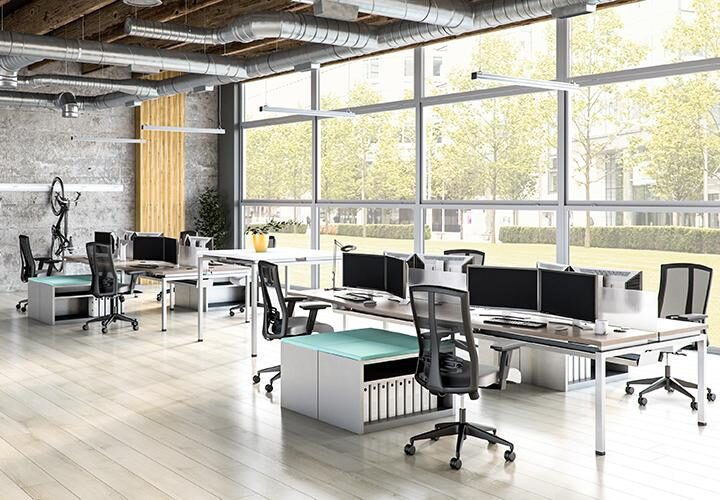
A well-organized office is a foundation for productivity, creativity, and stress-free workdays. A cluttered workspace can seriously hold you back, but with a few strategic tweaks to your office layout and fierce decluttering, you can turn your workspace into a haven that inspires your most focused, driven work. Each small change adds up to a big impact.
Remember, organization isn’t just a one-time effort; it’s a continuous process. With regular maintenance, intentional furniture choices, and a system that works for your team, you’ll keep your office running smoothly and efficiently. These tips are designed to help you take control of your workspace.
Transforming your office into a space that inspires productivity and focus starts with the right tools and thoughtful organization. Explore Office Furniture Solutions for high-quality desks, storage solutions, and custom furniture tailored to meet your needs. The right furniture can make all the difference, turning your office into a functional, beautiful space where you can thrive. Visit their site today and take the first step toward an organized, stress-free office!